

The Best Foods For Increased Energy Mid-Season
The middle of the competitive season can be one of the toughest times for rugby and football players. At this point, players are balancing the need to maintain peak performance with managing knocks, soreness and mental load. But what can athletes do to negate the mid-season fatigue, and how does food play a part?

What challenges does mid season present for athletes?
Physiologically, glycogen stores can become depleted more easily when athletes have back-to-back matches, especially if nutrition and recovery aren’t prioritised. Mentally, concentration and motivation can waver due to cumulative stress. It’s a period that tests not just physical conditioning, but also consistency in nutrition, sleep and recovery habits.
Why is fuelling effectively through food important for performance?
Food is an athlete’s most powerful performance tool. Proper fuelling ensures that energy systems are supported, muscles are primed and recovery processes function efficiently. In endurance and power-based sports like football and rugby, carbohydrates serve as the primary energy source for high-intensity efforts such as sprints, tackles and quick directional changes.
When dietary intake is aligned with training load, athletes can sustain energy levels, optimise muscle function and reduce the risk of injury. Research published highlights that carbohydrate availability is directly linked to performance capacity in intermittent sports (Williams & Rollo, 2015). Similarly, adequate protein intake is essential for muscle repair and adaptation, whilst healthy fats play a role in hormone balance and long-term energy supply.
In short, effective fuelling means an athlete can train harder, recover faster and perform consistently across the season.
What effect can inadequate fuelling have on performance?
Under-fuelling is one of the most common and costly mistakes during mid-season. When energy intake doesn’t meet expenditure, glycogen stores become depleted, leading to early fatigue, slower reaction times and impaired decision making. Studies have found that low energy availability can reduce muscle strength, cognitive sharpness and sprint performance; all crucial attributes for rugby and football.

Longer-term under-fuelling can also affect immune function, increase the risk of overuse injuries and disrupt hormonal balance. For male athletes, low testosterone levels can result from sustained energy deficits; for female athletes, menstrual irregularities are a common sign of inadequate fuelling. The outcome is often the same: a dip in performance and a higher likelihood of missing matches.
What nutrients do athletes need to combat fatigue?
To stay energised mid season, players need a balance of carbohydrate, protein and healthy fats, alongside key micronutrients.
- Carbohydrates: The body’s primary energy source for high-intensity efforts. Aim for a mix of complex carbohydrates (like oats, rice, potatoes and wholegrains) for sustained energy, and simple carbs (fruit, honey, white rice) closer to or during matches for quick fuel.
- Protein: Essential for muscle repair and recovery. Around 1.6–2.0g of protein per kilogram of body weight per day is ideal for most athletes.
- Healthy fats: Found in avocados, nuts, olive oil and oily fish, these support joint health and hormone function, and provide steady energy between meals.
- Micronutrients: Iron and B vitamins are critical for energy metabolism, whilst magnesium and potassium aid muscle function. Vitamin D also plays a role in muscle recovery and immunity, particularly important in darker winter months.
What foods are best for energy?
The best energy foods are those that provide both immediate fuel and sustained release. Think balanced meals combining complex carbs, lean protein and some healthy fats. These can include options like porridge with banana, peanut butter and a drizzle of honey for breakfast, or salmon with sweet potato and greens for lunch/dinner. For snacks, variations like yoghurt with fruit, oat-based energy balls, or a wholegrain sandwich with lean meat help to maintain energy between training and matches.

What are good natural energy boosters?
Natural energy boosters don’t always come from caffeine or supplements. Hydration is one of the most underrated performance enhancers; even a 2% loss of body weight through dehydration can impair focus and power output. Coconut water, fruit and salty snacks can help to restore electrolytes naturally.
Foods rich in B vitamins (such as eggs, oats and leafy greens) support energy metabolism, whilst iron-rich foods like red meat, lentils and spinach help to transport oxygen to muscles. Beetroot juice has also been shown in studies to improve endurance by enhancing oxygen efficiency (Dominguez et al., 2017).
What should be incorporated in a pre-training or pre-match meal?
A good pre-match meal should be rich in carbohydrates, moderate in protein, low in fat and fibre, and eaten about 2–3 hours before kick-off. The aim is to top up glycogen stores without causing digestive discomfort.
An ideal pre-match meal might be:
- Chicken or turkey with white rice and mixed vegetables
- Pasta with a light tomato-based sauce and a small portion of lean meat or tofu
- Porridge with honey, banana and a splash of milk for early games
A small snack such as a banana, a slice of toast with jam, or an energy bar 30–60 minutes before warm-up can provide an additional boost.
What should post-match refuelling look like mid season?
After a match, the goals are to replenish glycogen, repair muscle tissue and rehydrate. Aim to eat within 30–60 minutes of the final whistle, as the body is most efficient at nutrient absorption during this window.
A recovery meal should include carbohydrates and protein in roughly a 3:1 ratio, for example:
- A recovery smoothie with milk, banana, oats and whey protein
- Chicken stir-fry with rice
- Tuna sandwich with fruit and an isotonic drink
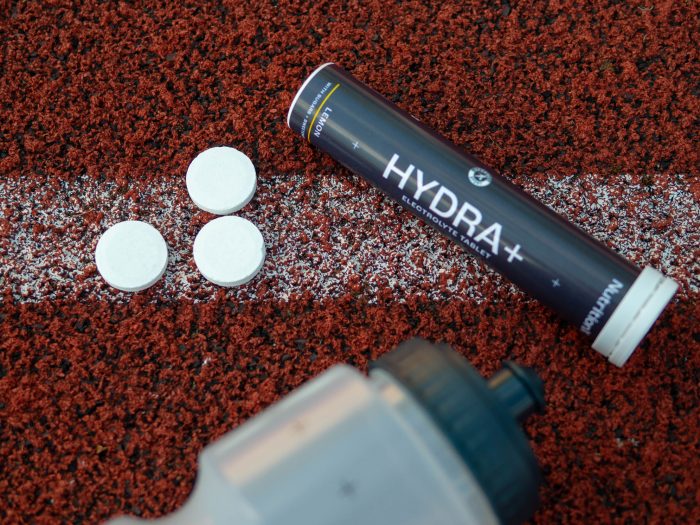
Including electrolyte-rich fluids, such as Hydra+, or salty snacks helps replace sodium lost in sweat, aiding full recovery.
Is carb-loading necessary mid season?
Carbohydrate loading is generally most useful before extended endurance events lasting over 90 minutes. In football and rugby, where matches are intense but intermittent, carb-loading can be beneficial in avoiding early fatigue and enhancing sprint capacity and endurance.
Increasing carbohydrate intake slightly in the 24–36 hours before particularly demanding matches or tournaments can be beneficial. This requires planning and ensuring consistent carbohydrate-rich meals leading up to game day to optimise glycogen stores.
What is carb-loading?
Carb-loading involves strategically increasing carbohydrate intake in the days before a match or competition to maximise glycogen storage in muscles. The goal is to delay fatigue and maintain high-intensity performance for longer. Classic protocols recommend 8–10g of carbohydrate per kilogram of body weight per day, but this is most relevant for endurance athletes such as marathon runners.
For team sports players, a more moderate approach, between 6-8g of carbohydrate per kilogram of body weight works best; eating regular, balanced meals that emphasise carbohydrates, with moderate protein intake and vegetables..
How can athletes boost energy mid-game?
During matches, small energy top-ups can make a big difference. Easily digestible carbohydrates, such as sports drinks, energy gels, or sliced fruit, help maintain blood glucose and delay fatigue. Studies have shown that consuming 30–60g of carbohydrates per hour during prolonged activity can sustain energy levels and mental focus, having the most significant impact towards the end of the game (Baker et al., 2015).
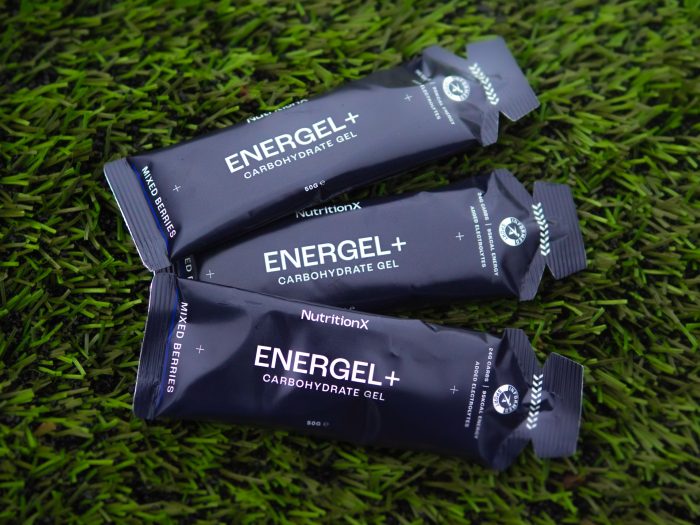
Hydration also plays a key role mid-game. Drinking small amounts regularly and using any opportunity during the game to hydrate supports steady energy and concentration.
What are the best energy supplements?
Whilst food should always come first, supplements can support performance when used strategically. Caffeine, in doses of 3–6mg per kilogram of body weight, has strong evidence for improving alertness and endurance. Creatine monohydrate can enhance short bursts of power, which is particularly relevant for rugby and football players, whilst beta-alanine may help buffer lactic acid during high-intensity play.
That said, a food-first approach is always preferable, allowing sports supplements to support any solid nutrition strategy as opposed to replacing whole foods.
Mid-season success ultimately comes down to consistency: in training, recovery and especially nutrition. By prioritising balanced meals, strategic fuelling and smart hydration, athletes can maintain energy levels, reduce fatigue and stay match fit when it matters most.
To support recovery during a heavy season, check out our range of Informed-Sport accredited recovery supplements.

Written by
Nutrition X