
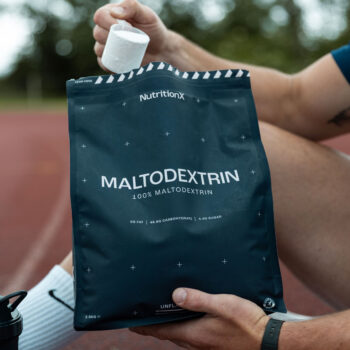
Maltodextrin is a rapidly digestible source of carbohydrate that can contribute to carbohydrate availability around exercise and has earned its place as one of the most used ingredients in sports nutrition. Popular amongst endurance athletes and active individuals, it can provide a convenient way to increase carbohydrate intake and support carbohydrate availability, particularly when training duration, intensity or overall energy demands are high.
Thanks to its neutral taste and excellent solubility, maltodextrin can be incorporated easily into almost any nutrition strategy where additional carbohydrate is needed. But, what exactly is it, and how should athletes use it as part of their nutritional plan?
What is maltodextrin?
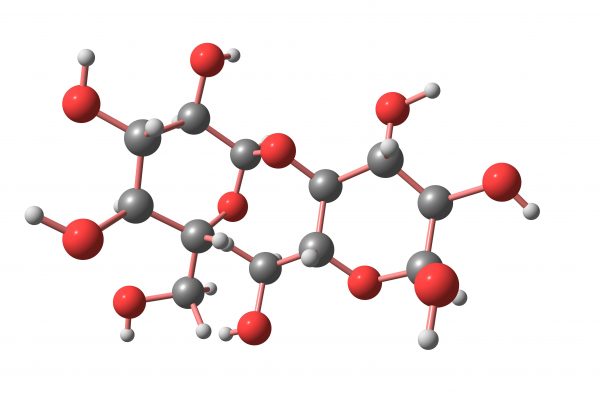
Maltodextrin is a complex carbohydrate made up of chains of glucose molecules. Despite being classed as a complex carbohydrate, it is typically digested quickly and broken down, making it a valuable source of rapidly-available carbohydrate.
As a powder, maltodextrin is virtually tasteless and dissolves easily in water, sports drinks and shakes. This makes it particularly useful for athletes who need to increase their carbohydrate intake without consuming large amounts of food.
What is maltodextrin made from?
Maltodextrin is produced from starch through a process called hydrolysis, which breaks down larger carbohydrate molecules into shorter chains that can be digested more easily.
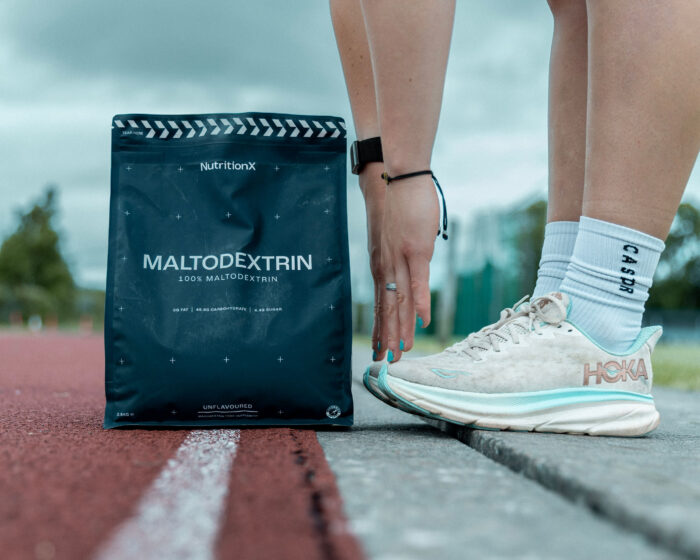
Our Nutrition X Maltodextrin is derived from maize and provides a concentrated source of carbohydrate with no added flavouring or unnecessary ingredients. Once consumed, these carbohydrate chains are rapidly broken down into glucose, which then can be absorbed and used for energy or stored as glycogen, depending on the athlete’s needs and timings.
Because of its neutral taste and good solubility, maltodextrin can be added to water, smoothies, sports drinks or protein shakes with minimal impact on flavour or texture. It can even be added to food, and baked into the likes of oat bars to increase the carbohydrate content.
Why supplement with maltodextrin?
Many athletes have increased carbohydrate requirements, particularly during periods of high training volume, high intensity, competition or multiple sessions in a day. Meeting these demands through food alone can sometimes be challenging, especially when time, appetite, gastrointestinal comfort or food access may limit intake. In these situations, supplementing with maltodextrin provides a practical solution, providing a rapidly-digestible source of carbohydrate. When used as part of an appropriate fuelling strategy, it can contribute to carbohydrate intake before or during exercise, and support glycogen restoration after sessions.
The International Society of Sports Nutrition states that carbohydrate ingestion before and during endurance exercise can support performance and could delay fatigue, particularly during prolonged exercise where carbohydrate availability may become limiting. It also recognises that carbohydrate intake following exercise supports glycogen restoration,, making it a great go-to between sessions, or as part of a recovery strategy. (Kerksick et al., 2017).
Studies have also shown that consuming carbohydrate during exercise lasting longer than 60 minutes can support endurance performance and may help sustain exercise intensityt (Cermak and van Loon, 2013), making maltodextrin a practical option for endurance athletes as part of a wider fuelling strategy.
How do I take maltodextrin?
One of the practical advantages of maltodextrin is its versatility. Thanks to it being unflavoured and highly soluble, it can be mixed into almost any drink without significantly altering the taste; ideal for athletes who struggle with the taste and texture of alternative carbohydrate supplements.
The Nutrition X Maltodextrin is no exception, delivered in fine powder form that can be added to water, fruit juice, shakes, sports drinks or even food when extra carbohydrate is needed. Using maltodextrin allows athletes to increase carbohydrate intake in a convenient and measurable way.
The amount required will depend on the intensity and duration of exercise. According to current sports nutrition guidelines, endurance athletes may require between 30 to 60g of carbohydrates per hour during prolonged exercise. Intakes can exceed up to around 90 grams per hour during longer events, when gut tolerance is trained and multiple transportable carbohydrates are included.
When should I take maltodextrin?
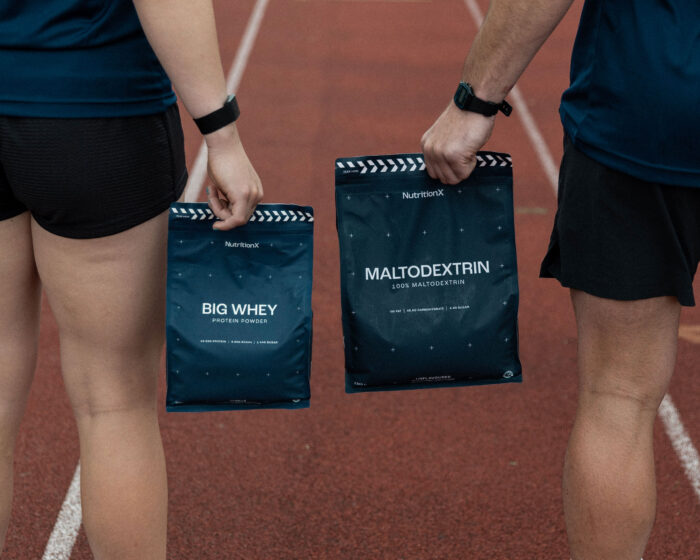
Maltodextrin can be used before, during and after exercise depending on your goals as an athlete.
Consuming carbohydrate before training can help support carbohydrate availability in the body. Taking maltodextrin as part of a pre-workout drink can provide a rapidly digestible source of carbohydrate, which may support exercise capacity.
Similarly, for endurance events or prolonged training sessions, consuming carbohydrate - in this case maltodextrin - during exercise has consistently been shown to help maintain performance and may help delay fatigue; preserving endurance capacity.
Following a glycogen-depleting exercise, the body enters a period where glycogen replenishment becomes important. Combining carbohydrate with protein after training can help support recovery and prepare the body for the next session, as part of a broader recovery strategy. Sports medicine bodies recommend carbohydrate intake soon after exercise to maximise glycogen restoration; particularly when recovery time between sessions is limited.
What athletes should consider using maltodextrin?
Maltodextrin may be useful for athletes and active individuals involved in prolonged, high intensity training or repeated sessions, including endurance runners, cyclists, triathletes, swimmers, football and rugby players.
Anyone undertaking sessions lasting longer than 60 to 90 minutes may benefit from additional carbohydrate intake to help maintain performance and delay fatigue, which is where supplementing with maltodextrin can prove incredibly useful. Athletes who struggle to consume enough carbohydrate through whole foods alone may also find maltodextrin a convenient way to increase daily energy intake alongside a balanced diet.
How does maltodextrin differ from other energy supplements?
Compared with some flavoured carbohydrate products, maltodextrin offers practical advantages. It is unflavoured, easy to mix and can be used alongside other products to create a personalised fuelling strategy. Maltodextrin is also less sweet than simple sugars and it may be easier for some athletes to tolerate larger amounts. This can be particularly valuable during long endurance events where digestive issues are common.
Unlike stimulants such as caffeine, maltodextrin provides energy in the form of carbohydrate rather than stimulating the central nervous system. This means that once digested into glucose and absorbed, it can be used by the working muscles as a fuel source or stored as glycogen, depending on timing and the body’s need.
Ultimately, maltodextrin is not designed to replace a balanced diet. Instead, it provides athletes with a convenient way to support carbohydrate intake when training demands increase. For those looking to optimise performance, maintain carbohydrate availability and support glycogen restoration, maltodextrin can be a simple and practical addition to a well planned sports nutrition plan.
Discover our Maltodextrin sports supplement here.

Written by
Monica Hernandez